


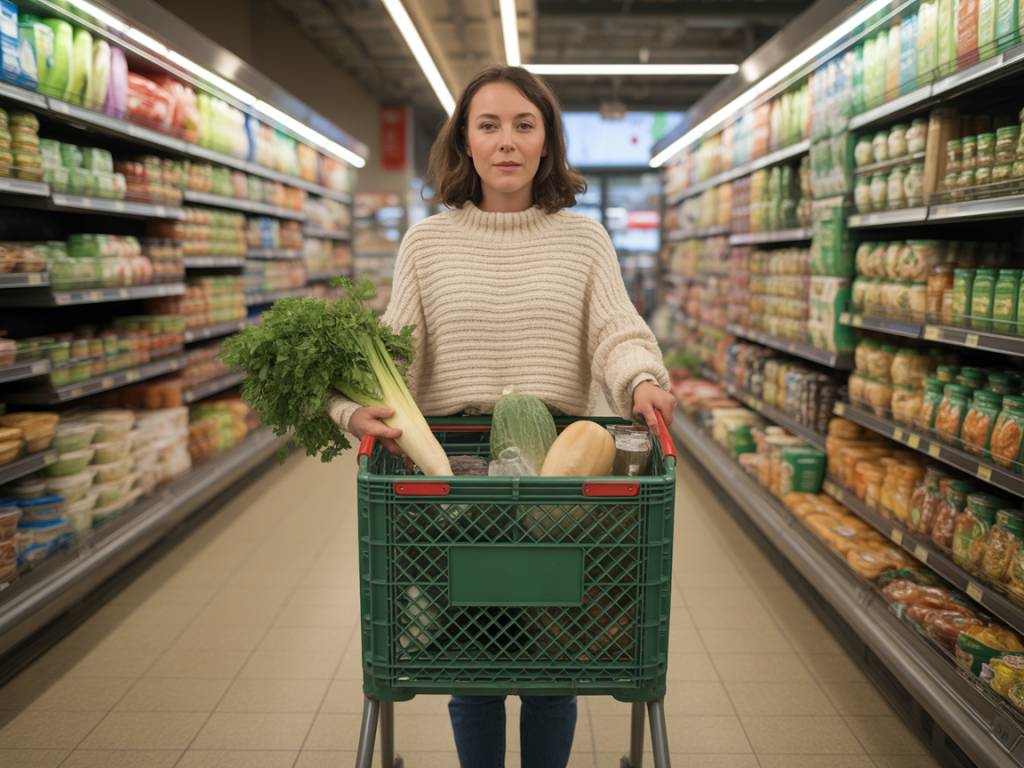
Strategic grocery shopping is one of the most impactful levers for improving health without inflating your budget. A well-planned cart can support metabolic health, weight management, cardiovascular protection and even mental well-being, all while remaining compatible with tight financial constraints. The key is to understand how to evaluate nutrient density, unit cost, food processing levels and shelf life, then translate this into repeatable shopping habits.
Rethinking “Healthy” When You’re Shopping on a Budget
Marketing often equates “healthy” with expensive: superfood powders, exotic berries or ultra-specialized products. In practice, most evidence-based healthy eating patterns—Mediterranean, DASH, plant-forward diets—can be built largely from affordable staples: pulses, whole grains, seasonal produce and basic protein sources.
A budget-friendly, healthy grocery cart tends to emphasize:
- High nutrient density per euro/dollar spent
- Minimal ultra-processing and added sugars
- A balance of macronutrients (complex carbohydrates, quality proteins, healthy fats)
- Fiber-rich foods for satiety and glycemic control
- Basic ingredients over ready-made meals
Understanding these principles makes it easier to see through marketing claims and place the bulk of your budget where it has the greatest physiological impact.
Start with a Strategy: Planning Before You Enter the Store
Healthy, low-cost grocery shopping begins before you set foot in the supermarket. A few structural habits can radically change both the nutritional profile and the total cost of your cart.
Key pre-shopping steps include:
- Audit your pantry and fridge: Identify what you already have so you avoid duplicates and waste. This is especially important for grains, spices, oils and frozen vegetables.
- Plan 3–4 core meals for the week: Instead of planning 21 individual meals, choose a few versatile dishes (e.g., lentil curry, vegetable frittata, bean chili) that generate leftovers and can be repurposed.
- Write a structured list: Organize by category: produce, grains, proteins, dairy, pantry basics. This structure helps resist impulse purchases and keeps your cart aligned with your plan.
- Check store flyers and apps: Build some of your meals around what is on sale, especially for proteins and seasonal produce.
From a behavioral standpoint, walking into a store without a list almost guarantees higher expenditure and a lower nutritional return on investment.
Build Your Cart Around Nutrient-Dense Staples
Anchoring your cart with a core set of nutrient-dense, budget-friendly staples provides a reliable foundation for healthy, adaptable meals. These foods generally have a long shelf life, high satiety value and strong evidence for health benefits.
Whole grains
Whole grains are cost-effective sources of complex carbohydrates, fiber, B vitamins and minerals such as magnesium. They support stable blood glucose and long-lasting energy.
- Oats (especially rolled or steel-cut)
- Brown rice or parboiled rice
- Whole wheat pasta or brown rice pasta
- Barley, bulgur, millet or buckwheat if locally available
Buying whole grains in bulk, where possible, significantly reduces the cost per serving while allowing precise portioning.
Legumes and pulses
Beans, lentils and chickpeas are nutritional and economic powerhouses, providing plant-based protein, resistant starch and fibers that nourish the gut microbiome.
- Dried lentils (cook quickly, no soaking required)
- Dried beans (black, kidney, white), prepared in batches and frozen
- Canned beans and chickpeas with no or low added salt
From a cost-per-gram-of-protein perspective, pulses consistently outperform animal proteins and many processed meat alternatives.
Frozen fruits and vegetables
Frozen produce is often harvested at peak ripeness and can retain comparable or even superior nutrient levels compared with “fresh” items that have traveled long distances. They offer:
- Reduced waste due to longer shelf life
- Stable pricing throughout the year
- Immediate availability for last-minute meals
Prioritize plain, unsauced options such as frozen spinach, mixed vegetables, peas, berries and mango chunks to maintain control over added salt and sugar.
Optimizing Protein: Quality, Cost and Satiety
Protein is often the most expensive component of a grocery budget, but also critical for muscle maintenance, satiety and metabolic health. A strategic mix of animal and plant proteins can balance cost and nutritional quality.
Budget-conscious animal proteins
- Eggs: High-quality protein, choline and fat-soluble vitamins at a very low cost per serving.
- Canned fish: Sardines, mackerel and tuna in water or olive oil provide omega-3 fatty acids and calcium (if bones are included).
- Frozen chicken thighs: Typically cheaper than breasts and more forgiving in cooking; skin can be removed after cooking if desired.
- Plain yogurt and kefir: Provide protein plus beneficial bacteria; choose larger containers over individual pots to reduce cost and packaging.
Cost-effective plant proteins
- Tofu and tempeh: High protein, versatile, absorb flavors well and often cheaper than meat per gram of protein.
- Peanut butter and other nut butters: Energy-dense and satiating; opt for versions made only from nuts (and possibly salt).
- Legume–grain combinations: Pairing beans with rice, or lentils with whole wheat bread, improves the overall amino acid profile.
From a satiety and blood-sugar perspective, including a protein source in each meal can help moderate hunger and reduce the temptation for less nutritious snacks later in the day.
Smart Approaches to Fruits and Vegetables
Fruits and vegetables are the backbone of an anti-inflammatory, cardioprotective diet, but they can also be a source of waste if purchased without a plan. The goal is to maximize diversity and nutrient density without overspending or discarding spoiled produce.
Prioritize seasonal and local when possible
Seasonal produce is often cheaper, fresher and more flavorful. It also tends to have a lower environmental footprint due to reduced transport and storage requirements.
- In winter, rely more on carrots, cabbage, onions, leeks, squash and apples.
- In summer, leverage abundant tomatoes, zucchini, peppers, peaches and berries.
Mix fresh, frozen and canned options
- Use fresh produce for items you eat raw (salads, fruits) within a few days of shopping.
- Rely on frozen vegetables for stir-fries, soups, curries and pasta dishes.
- Choose canned tomatoes, pumpkin or corn with no added sugar and minimal salt for sauces and stews.
This mixed approach ensures that, even in weeks when fresh items run out or spoil, you still have fiber- and micronutrient-rich foods available.
Reading Labels to Avoid Hidden Costs and Ultra-Processed Foods
Ultra-processed foods often appear inexpensive at first glance, but their long-term health costs—via obesity, metabolic disease and cardiovascular risk—are substantial. Label literacy is therefore a critical skill for smart grocery shopping.
Ingredients list
A general rule is that shorter ingredient lists with recognizable foods (oats, chickpeas, tomatoes) indicate a less processed product. Watch for:
- Added sugars under multiple names (syrup, maltodextrin, fructose, glucose, dextrose)
- Excess sodium, especially in canned soups and ready meals
- Refined flours as primary ingredients instead of whole grains
Nutrition facts
Key metrics for daily use products include:
- Fiber: Aim for at least 3–4 g per serving in breads and cereals.
- Protein: Prioritize snacks and staples with meaningful protein content, not just carbohydrates.
- Sodium: As a rough guide, less than 400 mg per serving for main dishes and under 150 mg for breads is preferable.
Combining label reading with price-per-unit comparisons allows you to identify foods that deliver maximal nutrition at minimal cost, without the metabolic penalties of high sugar and high sodium products.
Using the Price Per Unit as Your Primary Compass
Packaged foods are often sold in different sizes and formats that can distort price perception. Making a habit of checking the price per kilogram, per liter or per 100 g is one of the most effective ways to stay within budget.
In nearly all major supermarkets, the shelf tag will show:
- The total price (e.g., 2.49)
- The unit price (e.g., 4.15/kg)
When comparing brands or sizes, focus on the unit price. Often, slightly larger packages or store brands offer substantial savings without compromising nutritional quality. However, buy in bulk only when you are confident you will use the entire quantity before it expires, particularly for perishable items like oils or nuts, where oxidation affects both flavor and health value.
Designing a Sample Healthy Cart on a Budget
To translate these principles into practice, consider how a one-week grocery cart for one or two people might look when oriented toward whole foods, high fiber and cost control.
- Whole grains: large bag of oats, 1 kg brown rice, whole wheat pasta
- Legumes: 500 g dried lentils, 2–3 cans of beans or chickpeas
- Proteins: 10–12 eggs, 2 packs of tofu, 2 cans of sardines, 1 pack of frozen chicken thighs
- Dairy or alternatives: 1 large tub of plain yogurt, unsweetened plant milk if used
- Vegetables (fresh): carrots, onions, garlic, cabbage or leafy greens, seasonal vegetables (e.g., zucchini, peppers)
- Vegetables (frozen): mixed vegetable blend, spinach, peas
- Fruits: seasonal fresh fruit (e.g., apples, bananas, oranges) plus one bag of frozen berries
- Healthy fats: small bottle of extra-virgin olive oil, jar of peanut butter or other nut butter
- Flavor enhancers: basic spices (cumin, paprika, curry powder), dried herbs, mustard or vinegar
This type of cart supports a wide variety of meals: vegetable omelettes, curries, grain bowls, stews, overnight oats and yogurt with fruit, all with high nutrient density and controlled costs.
Behavioral Tactics to Stay on Track in the Store
Even with a solid plan, in-store environments are optimized to trigger impulse purchasing, often in favor of calorie-dense, nutrient-poor products. Adopting a few behavioral countermeasures can help keep your cart aligned with your health and budget goals.
- Shop after you have eaten: Hunger biologically biases your choices toward quick, ultra-processed calories.
- Stick to the perimeter for basics: Fresh produce, dairy, eggs and some proteins are usually placed around the edges, while ultra-processed snacks dominate the center aisles.
- Limit “treat zones” in your cart: If you choose to include less healthy items, predetermine a small budget or number of products before entering the store.
- Avoid marketing traps: “Health” claims on front labels do not guarantee nutritional quality; rely instead on ingredient lists and nutrition panels.
Over time, these habits become automatic, and your default cart naturally shifts toward foods that support long-term metabolic and cardiovascular resilience without overstretching your finances.