


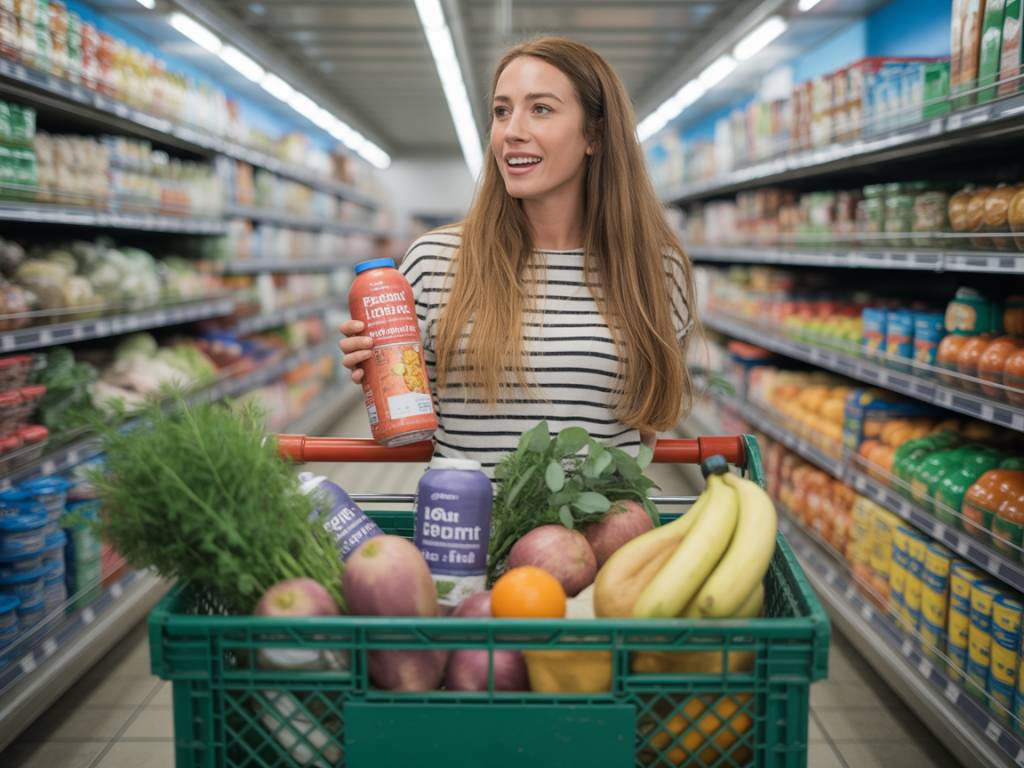
Why Hydrating Foods Matter for Energy and Mood
Hydration is often reduced to a simple equation: drink more water. Yet for many adults, especially those with busy schedules or intense cognitive workloads, the most powerful hydration strategy involves not just what they drink, but what they eat. Hydrating foods deliver water packaged with electrolytes, fiber, vitamins, and phytonutrients that influence blood sugar regulation, inflammation, gut health, and neurotransmitter balance. All of these factors have measurable effects on perceived energy levels, mental clarity, and emotional stability.
From a physiological perspective, even mild dehydration (around 1–2% of body weight) can impair attention, working memory, and mood, causing fatigue, irritability, and a drop in motivation. Adding structured, hydrating foods to the daily grocery cart can soften these effects by creating a background “water supply” that is slowly released through digestion. This strategy is particularly important for individuals who under-drink, consume large amounts of caffeine, spend long periods indoors with air conditioning or heating, or engage in endurance exercise.
Building a healthy grocery cart around hydrating foods that boost energy and mood is not about exotic superfoods. It is about smart combinations of high-water vegetables and fruits, mineral-rich broths, fermented products that support the gut–brain axis, and complex carbohydrates that stabilize blood sugar. The result is a more resilient nervous system and steadier energy across the day.
Key Principles for a Hydrating, Energy-Supportive Grocery Cart
Before listing specific foods, a few guiding principles are helpful for evidence-based choices:
- Prioritize water-rich whole foods: Aim for items that contain at least 80–90% water by weight, such as cucumbers, lettuce, melon, citrus, celery, and tomatoes.
- Combine water with electrolytes: Sodium, potassium, magnesium, and calcium help the body retain and use water effectively. Foods like leafy greens, citrus, coconut water, and mineral-rich broths are useful.
- Protect blood sugar stability: Pair hydrating produce with protein, healthy fats, or fiber to avoid rapid spikes and crashes in blood glucose, which can drive fatigue and mood swings.
- Support the gut–brain axis: Fermented foods and prebiotic fibers help maintain a diverse microbiota, influencing serotonin production, inflammation, and stress resilience.
- Think timing and structure: Integrate hydrating foods at every meal and snack rather than relying on one large “healthy” meal. Consistency matters more than intensity.
Hydrating Vegetables That Enhance Alertness and Mood Stability
Vegetables with high water content form the structural basis of a hydration-focused diet. They deliver fluids along with micronutrients essential for mitochondrial function, neurotransmitter synthesis, and antioxidant defense.
- Cucumber (about 95–96% water): Rich in water and modest amounts of potassium, cucumbers are versatile and low in calories. The skin contains small amounts of vitamin K and phytonutrients such as lignans. Adding sliced cucumber to salads or pairing it with hummus and tahini provides a hydrating, low-glycemic snack that does not destabilize blood sugar.
- Leafy greens (lettuce, romaine, butterhead, baby spinach): Most lettuces and many tender greens exceed 90% water. They offer folate, vitamin K, and carotenoids, which are involved in cognitive function and blood vessel health. Folate, in particular, is critical for methylation pathways implicated in mood disorders. Constructing large, water-rich salads with a protein source and healthy fats (olive oil, nuts, seeds) creates a nutrient-dense base that sustains energy and satiety.
- Celery: Also over 90% water, celery contributes modest amounts of sodium and potassium, which are relevant for hydration balance. It is a practical vehicle for dips made from legumes or fermented dairy, combining hydration with protein and probiotics when chosen carefully.
- Tomatoes: Tomatoes are roughly 94–95% water and provide vitamin C, potassium, and lycopene—an antioxidant associated with reduced oxidative stress. Tomato-based dishes like gazpacho or lightly cooked tomato sauces maintain a high fluid content and can be integrated into main meals for sustained energy.
- Bell peppers: High in water and vitamin C, bell peppers also contain carotenoids and flavonoids that may help modulate inflammation and support endothelial function. These mechanisms are indirectly linked to brain perfusion and cognitive performance.
For individuals focused on productivity and mental performance, consistently integrating these vegetables at lunch is particularly beneficial, reducing the “afternoon crash” often triggered by heavier, low-fiber meals.
Hydrating Fruits for Quick Energy and Emotional Balance
Fruits contribute natural sugars along with water, electrolytes, and polyphenols. They can be strategically used as fast-acting energy sources without the metabolic cost associated with refined snacks, especially when paired with protein or fat.
- Watermelon: Around 91–92% water and naturally rich in citrulline and lycopene, watermelon is an efficient rehydration fruit, especially in hot climates or after exercise. Pairing watermelon with a handful of nuts or seeds helps slow glucose absorption and prolongs its energizing effect.
- Citrus fruits (oranges, clementines, grapefruit): Citrus combines water, vitamin C, folate, and potassium. Vitamin C plays a role in the synthesis of catecholamines (like dopamine and norepinephrine), which influence motivation, focus, and stress response. Whole citrus segments are preferable to juice to preserve fiber and avoid excessive glycemic load.
- Berries (strawberries, blueberries, raspberries): Strawberries, in particular, are about 91% water. Berries are high in polyphenols, especially anthocyanins, which have been studied for potential benefits on vascular function and cognitive performance. Adding berries to a high-protein breakfast (Greek yogurt, skyr, or tofu-based alternatives) creates a hydrating meal with a favorable impact on mood and satiety.
- Kiwi: Kiwi is moderately hydrating and rich in vitamin C, vitamin E, and fiber. Some studies suggest that daily kiwi consumption can support sleep quality and mood, likely through a combination of antioxidant, serotonin, and folate-related effects.
For those managing mood variability or high cognitive demands, the key is to use fruits strategically: as components of meals or snacks that also include protein and fat, rather than isolated sugar sources.
Broths, Soups, and Stews: Hydration with Electrolytes and Amino Acids
While technically not “foods” in the solid sense, broths and soups belong in a hydrating grocery strategy. They offer structured fluid intake along with electrolytes, collagen peptides (in bone broths), and minerals.
- Vegetable-based soups: Light vegetable soups based on tomatoes, zucchini, leafy greens, and herbs deliver a high water content and micronutrients with very low energy density. They can serve as a first course that gently rehydrates before the main meal.
- Bone broth and long-simmered stocks: Bone broth contains sodium, small amounts of calcium, magnesium, phosphorus, and collagen-derived peptides. Although some of the marketing claims are exaggerated, there is plausible support for its role in recovery and satiety. For individuals who struggle with persistent fatigue, replacing ultra-processed snacks or salty packaged foods with a mineral-rich broth can improve both hydration and dietary quality.
For workplace settings, storing frozen portions of homemade soups or purchasing low-additive, low-sugar ready-made options can dramatically improve midday hydration and energy without depending entirely on caffeinated drinks.
Fermented and Probiotic Foods: Hydration Meets the Gut–Brain Axis
Hydration and mood are not just a question of water balance. The gut microbiome modulates inflammation, neurotransmitter availability, and the integrity of the gut barrier, all of which feed back into fatigue and emotional regulation. Certain fermented foods are not only modestly hydrating but also provide live microbes and bioactive compounds.
- Plain yogurt and kefir: These dairy (or plant-based) products contain water, protein, calcium, and probiotic cultures. Kefir, in particular, is more fluid and can contribute meaningfully to hydration. Regular consumption is associated with improvements in gut microbial diversity, which correlates with lower levels of systemic inflammation and better stress resilience in some studies.
- Fermented vegetables (sauerkraut, kimchi, pickled vegetables): Though not as water-rich as fresh produce, they still contribute fluids and significant microbial exposure. A small daily portion, combined with high-water vegetables, supports a microbiota-friendly pattern that indirectly benefits mood and cognitive function.
When adding these to a grocery cart, prioritize versions without excessive added sugar or artificial sweeteners, which can counteract some of the microbiome-supportive effects.
Complex Carbohydrates and Energy-Sustaining Hydration
While high-water fruits and vegetables are central to a hydrating diet, complex carbohydrates such as whole grains and legumes also play a nontrivial role. They are less water-dense, but they absorb and hold water during cooking, contributing to fluid intake.
- Oats and whole grains: Cooked oats, quinoa, barley, and brown rice hold water within their structure. Their soluble and insoluble fibers slow digestion, leading to more stable postprandial blood sugar and a reduced risk of energy collapse later in the day. Combining porridge with water-rich fruits (berries, grated apple, orange segments) is an efficient way to merge hydration, fiber, and sustained energy.
- Legumes (lentils, chickpeas, beans): Once cooked, legumes contain a significant water fraction and provide resistant starch and protein. This combination supports satiety, gut health, and stable energy release, which is critical for maintaining mood throughout long working days.
How to Build a Hydration-Focused, Mood-Supportive Grocery Cart
Translating these principles into a structured grocery list simplifies implementation. For individuals seeking both hydration and mental performance, it can be useful to mentally divide the cart into functional categories:
- High-water vegetables: Cucumbers, romaine or butterhead lettuce, spinach, celery, tomatoes, bell peppers, zucchini.
- Hydrating fruits: Watermelon, oranges, clementines, grapefruit, strawberries, blueberries, raspberries, kiwi.
- Broths and soups: Low-sodium vegetable broth, bone broth (if tolerated), tomato-based soups, blended vegetable soups with minimal cream or added sugars.
- Fermented and probiotic foods: Plain yogurt or kefir (dairy or unsweetened plant-based), sauerkraut, kimchi, traditionally fermented pickles.
- Hydrating complex carbohydrates: Oats, quinoa, barley, brown rice, lentils, chickpeas, black beans. These should be viewed as hydration-supportive once cooked, not primary water sources, but they coordinate well with high-water ingredients.
- Healthy fats and proteins (to stabilize energy and mood): Extra-virgin olive oil, nuts, seeds, eggs, tofu, tempeh, fish or poultry if included in the diet. These ensure that hydrating meals do not become high-sugar, low-satiety patterns.
A typical day might start with overnight oats prepared with water or kefir, topped with berries and kiwi; continue with a large salad built from lettuce, cucumber, tomato, legumes, and olive oil; and include an afternoon snack of yogurt with citrus segments and seeds. Evening meals could integrate vegetable-rich soups and stews accompanied by whole grains. This pattern distributes hydrating foods throughout the day, reducing reliance on reactive caffeine or sugary snacks as energy sources.
Monitoring Personal Response and Adjusting Intake
Individuals vary widely in sweat rates, salt losses, caffeine metabolism, and sensitivity to fluctuations in blood sugar. A scientifically informed approach involves observation and gradual adjustment rather than rigid adherence to generic recommendations.
Key indicators that hydrating foods are well integrated include a reduction in mid-afternoon energy slumps, fewer headaches, improved digestive comfort, more stable mood across the day, and less intense cravings for ultra-processed snacks. For those tracking performance or well-being with wearables or digital tools, shifts in sleep quality, resting heart rate, or subjective readiness scores can provide additional feedback.
Ultimately, constructing a healthy grocery cart around hydrating, nutrient-dense foods is a low-risk, high-benefit intervention. When combined with adequate fluid intake, sleep hygiene, and movement, it offers a realistic way to support cognitive performance, emotional resilience, and long-term metabolic health without relying on stimulants or highly processed “energy” products.