


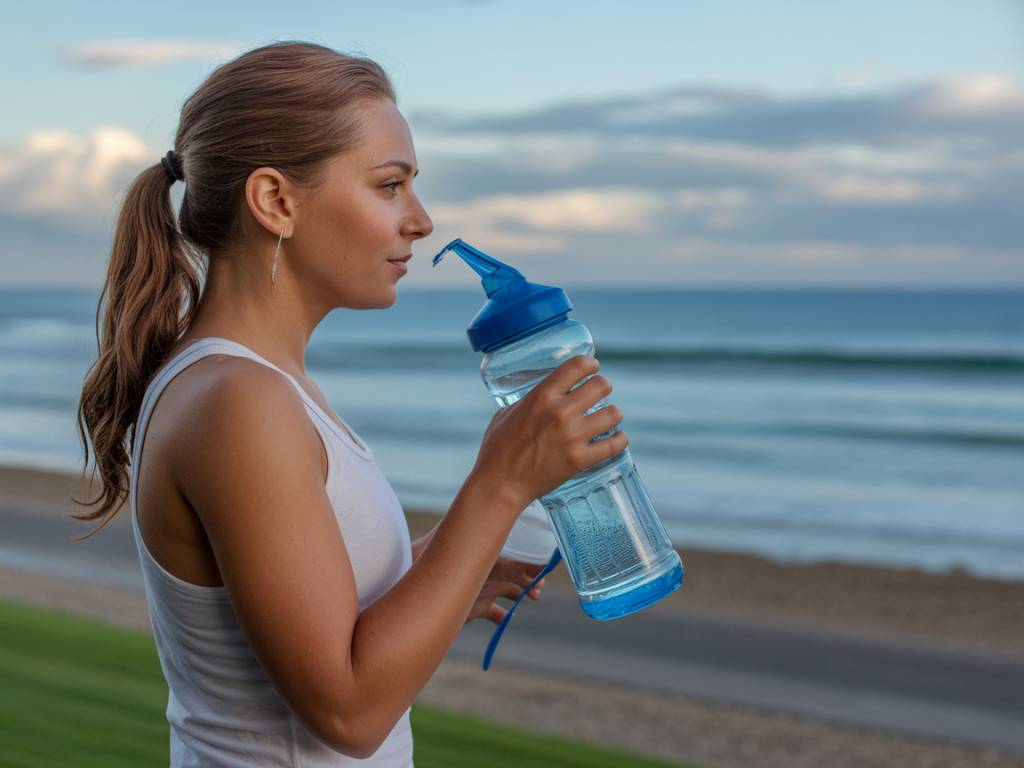
Hydration is often treated as a secondary detail in weight-loss plans, overshadowed by calories, macronutrients and exercise routines. Yet, mounting research shows that mild to moderate dehydration can quietly undermine fat loss, intensify food cravings and slow metabolic processes. Understanding how dehydration interacts with appetite regulation, thermogenesis, hormone balance and energy expenditure is crucial for anyone pursuing sustainable weight management.
Why Hydration Matters for Weight Loss Physiology
Water is not just a neutral fluid that fills the space between cells; it is a central component of nearly every biochemical reaction relevant to body weight regulation. From lipolysis (fat breakdown) to glucose transport and mitochondrial energy production, adequate cellular hydration is a prerequisite for metabolic efficiency.
Even a modest fluid deficit of 1–2% of body weight can impair cognitive function, alter mood and reduce physical performance. When this dehydration is repeated across days or weeks, it can also affect appetite signaling, insulin sensitivity and basal metabolic rate. For individuals on a calorie-restricted or low-carbohydrate diet, the risk of dehydration is often higher, amplifying these effects.
How Dehydration Alters Appetite and Food Cravings
One of the most overlooked aspects of hydration and weight loss is the brain’s confusion between thirst and hunger. The hypothalamus, which controls both signals, does not always differentiate clearly between a need for water and a need for food, particularly under low-level dehydration.
Several mechanisms explain how inadequate hydration can intensify cravings and lead to increased calorie intake:
- Mistaken hunger signals: When plasma osmolality rises due to fluid loss, the brain may generate sensations interpreted as hunger. Individuals then eat when they actually need to drink, particularly between meals.
- Preference for sweet and energy-dense foods: Dehydration is associated with higher levels of fatigue and irritability. In response, people often reach for fast-acting carbohydrates or sugary snacks to quickly elevate energy levels and mood, driving sugar cravings.
- Reduced satiety response: Adequate water intake before and during a meal increases gastric distension, which contributes to satiety signaling via stretch receptors and gut hormones. Inadequate fluid intake reduces this effect and may prolong eating episodes.
- Altered taste perception: Dry mouth and a reduced flow of saliva can make bland, minimally processed foods less appealing, increasing reliance on highly palatable, ultra-processed options that are more energy dense.
From a behavioral standpoint, many individuals interpret low-level dehydration as “snack cravings” rather than thirst. In weight management programs, systematically addressing daily hydration can therefore be an indirect but powerful tool for appetite control.
The Impact of Dehydration on Basal Metabolic Rate and Energy Expenditure
Basal metabolic rate (BMR) represents the energy required to maintain essential body functions at rest, including respiration, circulation, thermogenesis and cellular maintenance. Hydration status influences BMR through several physiological channels.
- Reduced thermogenesis: Water has a thermogenic effect. Consuming water, especially cool water, transiently increases energy expenditure as the body brings the fluid to core temperature. Chronic low intake erodes this small but cumulative effect on total daily energy expenditure.
- Slower cellular metabolism: Water is integral to maintaining optimal cell volume. When cells are slightly shrunken due to dehydration, enzymatic reactions involved in energy production and substrate utilization slow down, subtly reducing metabolic efficiency.
- Compromised nutrient transport: Blood volume decreases during dehydration, which may reduce delivery of oxygen and nutrients to tissues. This can diminish mitochondrial activity and the capacity to oxidize fat during rest and physical activity.
- Increased perception of fatigue: Dehydration is linked to higher perceived exertion and fatigue, leading to reduced spontaneous physical activity and lower non-exercise activity thermogenesis (NEAT), a critical determinant of daily calorie burn.
The cumulative effect is modest on a single day but becomes relevant when dehydration is recurrent. Over time, a slightly reduced metabolic rate, combined with increased cravings and less movement, can significantly affect body weight trajectories.
Dehydration, Hormonal Regulation and Metabolic Signaling
Hormones are central to appetite, fat storage and energy utilization. Hydration status modulates several key hormones and signaling molecules involved in weight regulation.
- Cortisol: Dehydration can activate the stress response, elevating cortisol secretion. Chronic elevations of cortisol are associated with central fat accumulation, increased appetite and a preference for high-sugar, high-fat foods.
- Insulin and glucose regulation: Inadequate hydration can influence plasma volume and blood viscosity, potentially affecting glucose transport and insulin delivery to tissues. Over time, this may contribute to impaired insulin sensitivity and more volatile blood sugar, both of which drive cravings and fat storage.
- Leptin and ghrelin: While research is still emerging, hydration appears to modulate hunger hormone dynamics. Poor hydration status is associated with higher subjective hunger scores, which may relate to altered ghrelin signaling and leptin sensitivity.
- Renin–angiotensin–aldosterone system (RAAS): Dehydration activates RAAS to conserve sodium and water. This can promote fluid retention and transient weight fluctuations, confusing those monitoring scale weight during a fat loss plan.
From an endocrine perspective, optimal hydration supports a more stable internal environment in which appetite hormones, stress hormones and metabolic signals can function with greater precision.
Hydration, Exercise Performance and Fat Oxidation
Exercise is a cornerstone of sustainable weight loss, and dehydration directly affects the quality and outcome of physical activity. Even a 2% loss of body weight from fluid can reduce aerobic capacity, muscular endurance and cognitive performance during training.
Key effects of dehydration on exercise and fat burning include:
- Reduced training intensity: Dehydrated individuals tend to self-select lower exercise intensities due to earlier onset of fatigue and higher perceived exertion, resulting in fewer calories burned during the session.
- Lower fat oxidation: Dehydration can impair cardiovascular function and oxygen delivery, conditions under which carbohydrate utilization is favored over fat oxidation. This diminishes the proportion of energy derived from stored fat.
- Increased risk of overheating: With less plasma volume and reduced sweating capacity, core temperature rises more quickly. To protect itself, the body may limit exercise duration or intensity.
- Longer recovery times: Suboptimal hydration after exercise slows glycogen restoration, tissue repair and removal of metabolic by-products, indirectly reducing training frequency or volume.
For individuals relying on high-intensity interval training, endurance work or resistance training to achieve fat loss and preserve lean mass, strategic hydration before, during and after sessions is a non-negotiable factor.
Signs of Low-Level Dehydration That Affect Weight Loss
Dehydration severe enough to require medical attention is usually obvious, but the low-level dehydration that disrupts metabolism can be subtle and chronic. Common signs include:
- Dry mouth and sticky saliva between meals
- Darker yellow urine or reduced urination frequency
- Persistent low energy or mid-afternoon fatigue not fully explained by sleep
- Frequent headaches or difficulty concentrating
- Unusual or frequent cravings, especially for sweets or salty snacks
- Perceived hunger shortly after eating balanced meals
- Noticeable decline in exercise performance or greater-than-usual exertion
These signals often coexist with dieting or high-stress lifestyles, making it easy to misattribute them entirely to caloric restriction, work demands or lack of sleep.
Practical Hydration Strategies to Support Metabolism and Appetite Control
Optimizing hydration for weight management goes beyond simply drinking “eight glasses of water a day.” Needs vary based on body mass, diet composition, physical activity, climate and individual physiology.
Evidence-informed strategies include:
- Establish a baseline intake: A common starting point is around 30–35 ml of water per kilogram of body weight per day, adjusted for climate and activity. For a 70 kg individual, this corresponds to roughly 2.1–2.5 liters daily.
- Time water around meals: Consuming 300–500 ml of water 20–30 minutes before meals can help reduce excessive hunger and support satiety without displacing nutrient-dense foods.
- Use hydration to address cravings first: When cravings arise between meals, drink a glass of water and wait 10–15 minutes. If genuine hunger persists, a balanced snack may be warranted.
- Account for electrolytes: For individuals following low-carbohydrate, ketogenic or high-protein diets, sodium and electrolyte losses are often higher. Including mineral-rich foods, lightly salted meals or targeted electrolyte solutions can improve fluid retention and overall well-being.
- Monitor urine color and frequency: Pale straw-colored urine and regular urination are simple indicators that hydration is broadly adequate for most healthy adults.
- Hydrate before and after training: Drinking 300–600 ml of water in the hour before exercise and then rehydrating afterward based on body weight changes helps preserve exercise performance and fat oxidation capacity.
- Leverage water-rich foods: Vegetables, fruits, broths and herbal infusions contribute to overall hydration while delivering fiber, micronutrients and phytochemicals that support metabolic health.
Integrating Hydration Into Advanced Weight-Loss Strategies
For individuals already tracking macronutrients, adjusting meal timing or implementing intermittent fasting, hydration can be integrated as a measurable, modifiable variable in the same way as calories or training volume.
Advanced approaches might include:
- Recording fluid intake alongside food logs to identify correlations between hydration, hunger and cravings.
- Adjusting water and electrolyte intake on days with higher training loads or sauna use to prevent performance decline.
- Using structured hydration targets during fasting windows to manage appetite and maintain cognitive performance.
- Incorporating hydration metrics (such as morning urine color and body weight fluctuations) into ongoing body composition assessments.
By treating hydration as a core component of metabolic health rather than a background habit, individuals and clinicians can address an often neglected determinant of weight loss success.
Dehydration subtly interacts with appetite, hormone balance, exercise performance and cellular metabolism. For those aiming to reduce body fat while preserving lean mass and maintaining cognitive function, prioritizing hydration is not merely an accessory recommendation; it is a central pillar of an evidence-based, physiologically coherent weight management strategy.