
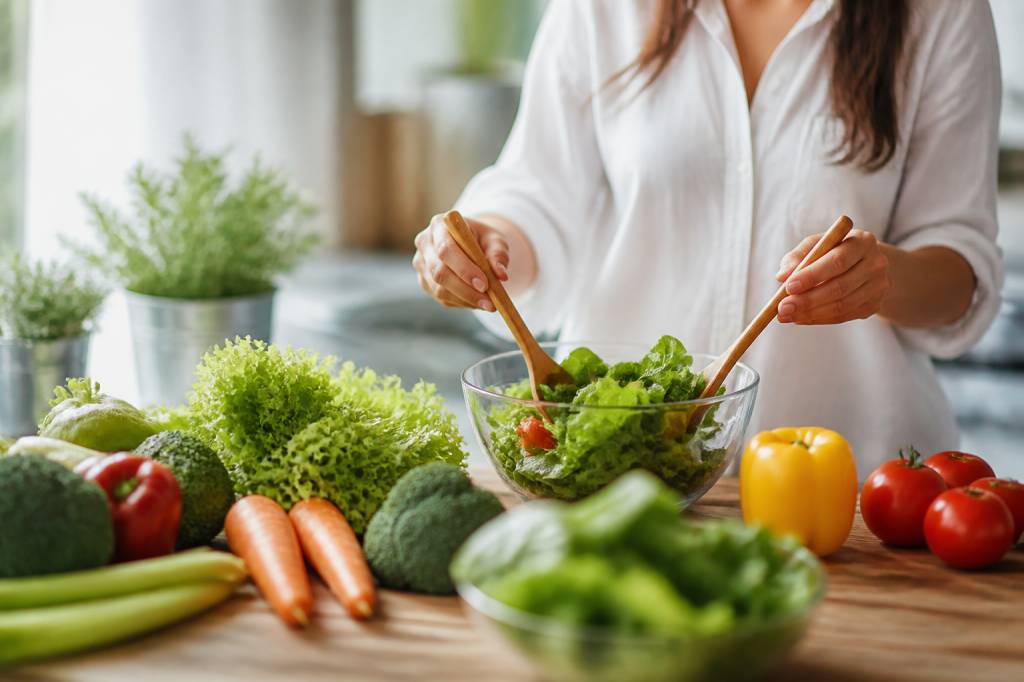
When spring arrives, many of us feel that familiar urge to open the windows, shake out the rugs, and clear away the heaviness of winter. But “spring cleaning” does not have to stop at your home. It can be a useful reset for your daily habits, your meals, and even the way you think about energy and wellbeing.
After months of richer comfort foods, shorter days, and less time outdoors, your body may appreciate a lighter, fresher rhythm. That does not mean punishing cleanses, juice-only plans, or anything extreme. In fact, the most helpful spring reset is usually the simplest one: more whole foods, better hydration, a bit more movement, and a few habits that help you feel less sluggish and more alive.
If winter has left you feeling a little foggy, bloated, or low on motivation, spring is a good time to nudge things in a better direction. Not with perfection. Not with pressure. Just with a few smart changes that are easy to keep doing.
Why spring is a natural time for a reset
There is something about longer daylight and warmer mornings that makes healthy routines feel more doable. You may notice you naturally want lighter meals, more fresh produce, and more time outside. That is not coincidence. Seasonal shifts often affect appetite, energy, sleep, and even how much water we drink.
Spring is also a good moment to take stock of habits that may have quietly drifted during winter. Maybe breakfast became more random. Maybe hydration took a back seat to tea and coffee. Maybe vegetables became more of a side note than a daily feature. A spring cleanse, in the real-world sense, is simply a chance to bring some balance back.
The goal is not to “detox” in a dramatic way. Your body already has built-in detox systems, especially your liver, kidneys, digestive system, and skin. What you can do is support those systems with foods and habits that help them work well. That is much more practical, and usually much more effective, than any trendy quick fix.
Start with hydration before anything else
If there is one spring habit worth prioritising, it is water. It sounds almost too simple, but many of the common complaints people blame on “needing a cleanse” are often signs of under-hydration: headaches, fatigue, cravings, constipation, and that general “I need a nap and a new life” feeling.
Water helps with digestion, circulation, body temperature, and nutrient transport. It also supports the normal processes that help your body remove waste. If you are drinking more coffee than water, spring is a good time to rebalance that.
Easy ways to drink more water:
- Keep a bottle on your desk or in your bag so water is always visible.
- Start the day with a glass of water before coffee.
- Add lemon, cucumber, mint, or berries if plain water feels boring.
- Drink a glass before each meal.
- Choose sparkling water if that helps you reach for it more often.
A small tip that works surprisingly well: pair water with an existing habit. For example, one glass after brushing your teeth, one before lunch, one during your afternoon slump. Habits stick better when they are attached to something you already do.
Choose spring produce that works with your body
Spring foods tend to be fresher, lighter, and full of colour. That is a good thing, because colour usually means a wider mix of vitamins, minerals, fibre, and antioxidants. Your plate does not need to look like a rainbow competition, but a few shades beyond beige can make a real difference.
Some spring-friendly foods to include regularly:
- Leafy greens such as spinach, rocket, kale, and watercress
- Asparagus
- Radishes
- Spring onions
- Peas
- Artichokes
- Strawberries
- Rhubarb
- Herbs such as parsley, dill, mint, and basil
Leafy greens are especially useful because they are rich in fibre, folate, vitamin C, and plant compounds that support overall health. Asparagus and artichokes are often praised for their digestive support, largely because of their fibre content. Berries bring antioxidants and natural sweetness, which makes them a smart swap for sugary snacks.
If you are someone who tends to eat the same few vegetables year-round, spring is a good excuse to branch out. Try one new produce item each week. You do not need to turn into a farmer’s market maximalist overnight.
Feed your digestion with fibre-rich meals
Digestion is often at the centre of the “I need a reset” feeling. When your meals are too low in fibre, too heavy, or too irregular, your system can feel sluggish. Fibre helps keep things moving, supports healthy gut bacteria, and can improve fullness after meals.
The easiest way to increase fibre is not by obsessing over powders or supplements. It is by building meals around whole foods.
Good spring fibre sources include:
- Vegetables of all kinds
- Oats
- Beans and lentils
- Berries
- Chia seeds
- Whole grains such as brown rice, quinoa, and wholegrain bread
- Nuts and seeds
A simple spring lunch could be a quinoa bowl with rocket, cucumber, avocado, chickpeas, herbs, and a lemon dressing. That is the kind of meal that feels fresh without being fussy. Another easy option is a lentil soup with lots of vegetables and a slice of wholegrain toast. Comforting, yes, but still light enough for a warmer season.
If you have not been eating much fibre, increase it gradually and drink enough water. Too much fibre too quickly can leave you bloated, which is not exactly the sparkling spring feeling we are aiming for.
Use healthy fats to stay satisfied and steady
Spring cleaning does not mean removing every source of richness from your meals. In fact, healthy fats help keep you satisfied, support hormone function, and help absorb fat-soluble vitamins from vegetables.
Good sources include:
- Olive oil
- Avocados
- Nuts and nut butters
- Seeds like flax, chia, hemp, and pumpkin
- Oily fish such as salmon, sardines, and mackerel
One mistake people often make when trying to “eat clean” is cutting fat too aggressively and then feeling hungry an hour later. If your salad leaves you raiding the biscuit tin at 4 p.m., it may not be that you need more willpower. You may simply need more balance. Add avocado, olive oil, seeds, or a protein source, and the same meal suddenly works much harder for you.
Keep protein in the picture
Protein is another key part of a healthier spring routine. It supports muscle repair, immune function, and steady energy. It also helps meals feel more satisfying, which can reduce the urge to snack on whatever is easiest and nearest.
Spring meals can be protein-rich without feeling heavy. Try eggs with asparagus and herbs, Greek yoghurt with berries and seeds, grilled fish with greens, tofu stir-fries, or a chicken and vegetable salad with a proper dressing.
If you are active outdoors more often in spring, protein becomes even more useful. Brisk walks, cycling, gardening, and workouts all place some demand on the body. You do not need to eat like an athlete unless you are one, but you do want enough protein to support recovery and keep your energy stable.
Lighten meals without making them less nourishing
There is a difference between “lighter” and “less satisfying.” A lighter spring meal does not have to mean a sad plate of lettuce and regret. It simply means choosing foods that feel fresher and are easier to digest while still being nutrient-dense.
Try these meal ideas:
- Breakfast: oats with strawberries, chia seeds, and yoghurt
- Lunch: chicken, hummus, cucumber, and rocket in a wholegrain wrap
- Dinner: salmon with new potatoes, peas, and steamed greens
- Snack: apple slices with almond butter
- Snack: Greek yoghurt with berries and a sprinkle of flaxseed
Cooking methods matter too. In spring, you might naturally lean toward steaming, roasting, grilling, or quick sautéing instead of long stews and heavy cream-based dishes. That can make meals feel easier on the stomach without sacrificing flavour.
Fresh herbs are a brilliant way to lift a simple dish. Parsley, mint, basil, coriander, and dill add brightness with almost no effort. If you have ever made a salad taste dramatically better just by adding mint and lemon, you already know the power of herbs.
Support your body with smarter habits, not stricter rules
Spring cleansing is not only about food. Small habits shape how you feel just as much as what you eat. The good news? You do not need a complete lifestyle overhaul. A few consistent habits can make a noticeable difference.
Helpful spring habits include:
- Getting outside early in the day for natural light
- Taking a short walk after meals
- Eating at regular times rather than grazing all day
- Going to bed slightly earlier when possible
- Reducing the “all or nothing” mindset around food
- Making time for movement you actually enjoy
Natural light is especially important in spring because it helps regulate your body clock. Better light exposure during the day often supports better sleep at night. And better sleep, as unglamorous as it sounds, is one of the most powerful forms of self-care there is.
Walking after meals is another underrated habit. It can support digestion, blood sugar balance, and mood. Even ten minutes around the block counts. You do not need a matching outfit and a motivational playlist to benefit from a short walk, though both are welcome if you enjoy them.
Cut back on the things that leave you feeling heavy
A healthy spring reset is not about forbidding foods. It is about noticing which habits leave you feeling tired, sluggish, or out of balance.
For many people, the biggest culprits are:
- Too much alcohol
- Highly processed snacks eaten mindlessly
- Large, late-night meals every night
- Skipping meals and then overeating later
- Very low water intake
- Constant snacking without real hunger
You do not need to eliminate everything at once. It is often more effective to reduce one thing that is not helping and replace it with something better. For instance, if evening wine has become a daily habit, maybe start with alcohol-free weekdays. If sugary snacks are the problem, keep fruit, yoghurt, nuts, or hummus and crackers within easy reach.
The point is not to be strict. The point is to make the healthier choice the easier choice.
Make spring cleansing realistic enough to keep doing
The best routine is the one that fits into your actual life. If your idea of “healthy” only works for three days before collapsing into chaos, it is probably too complicated. Spring is the perfect time to simplify.
Try this practical approach:
- Add one vegetable to two meals each day.
- Drink one extra glass of water in the morning.
- Prepare one simple lunch in advance.
- Take a 10-minute walk after dinner.
- Swap one processed snack for fruit, yoghurt, or nuts.
That may not sound dramatic, but dramatic is overrated. Consistency is what changes how you feel over time.
Think of it as a gentle seasonal tune-up. You are not rebuilding the engine. You are just giving your body better fuel, better hydration, and a little more breathing room.
If spring has you craving a fresh start, take the hint. Fill your kitchen with produce that looks alive, keep a water bottle close, move your body in ways that feel good, and build meals that leave you energised rather than weighed down. Small changes really do add up, especially when they are easy enough to repeat tomorrow.
And if you miss the occasional comfort food along the way? That is not failure. That is being human.